Jewish History & Culture in Argentina & Uruguay
Argentina and Uruguay are two South American countries where Jewish communities have a rich history, contributing significantly to the cultural and…
Nov 30, 2027 – Dec 10, 2027 · 11 days · Jewish Heritage Travel
Argentina and Uruguay are two South American countries where Jewish communities have a rich history, contributing significantly to the cultural and economic development of both. Today, Jewish culture thrives in these nations through religious life, educational institutions, and active participation in politics and the arts.
We begin our travels in the cosmopolitan coastal city of Montevideo, Uruguay. The smallest country in South America, Uruguay has an active Jewish community of around 10,000 people. Here we discover its Jewish culture, explore its oldest city, and feast on the world-renowned traditional Uruguayan barbecues.
We will approach Argentina’s capital, Buenos Aires, by sea, taking the buquebus (ferry) from Uruguay. One of the most beautiful cities in the world, Buenos Aires also boasts the largest Jewish community in Latin America. Formed from Spanish and Portuguese Jews in the early sixteenth century, waves of European immigrants in the mid-1800s and later Russia and other Eastern European countries, the community also maintains a significant Sephardic presence, many of Syrian descent.
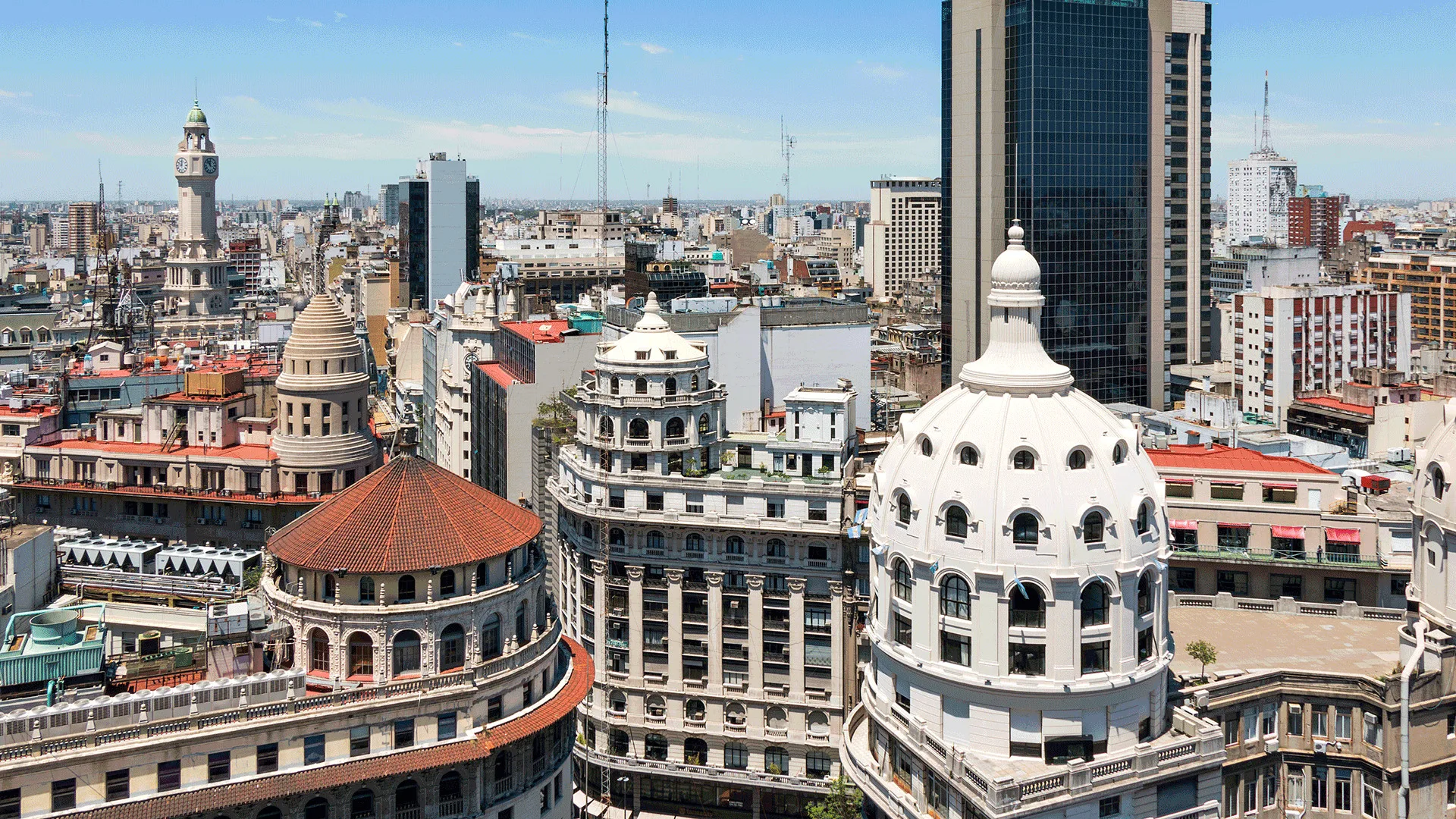
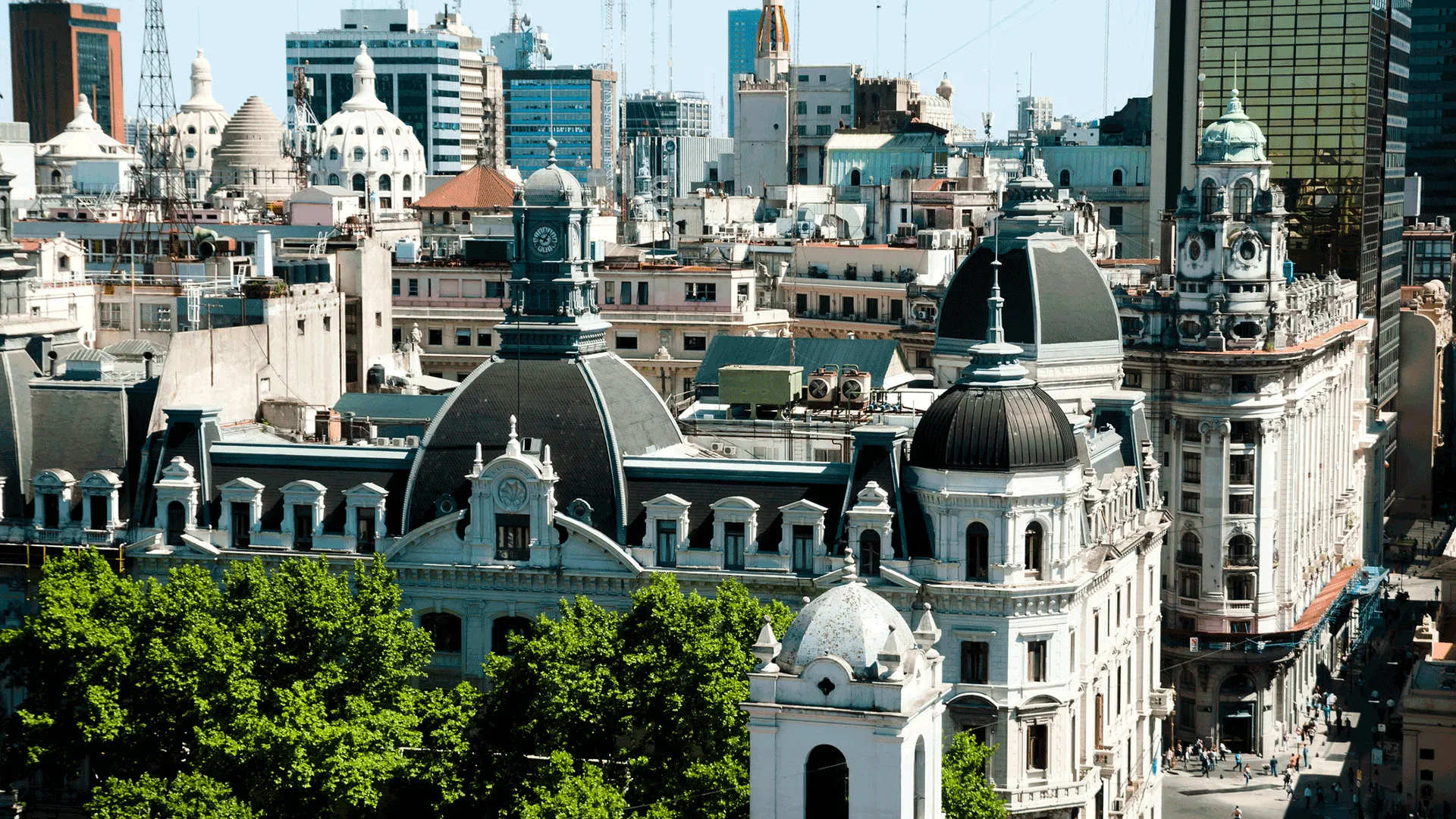
With expert scholars and guides, we will discover the international oasis that is Buenos Aires, often dubbed “the Paris of South America.” We will explore Jewish neighborhoods; visit synagogues, museums, and notable historical and cultural locations; and immerse ourselves in an array of vibrant neighborhoods.
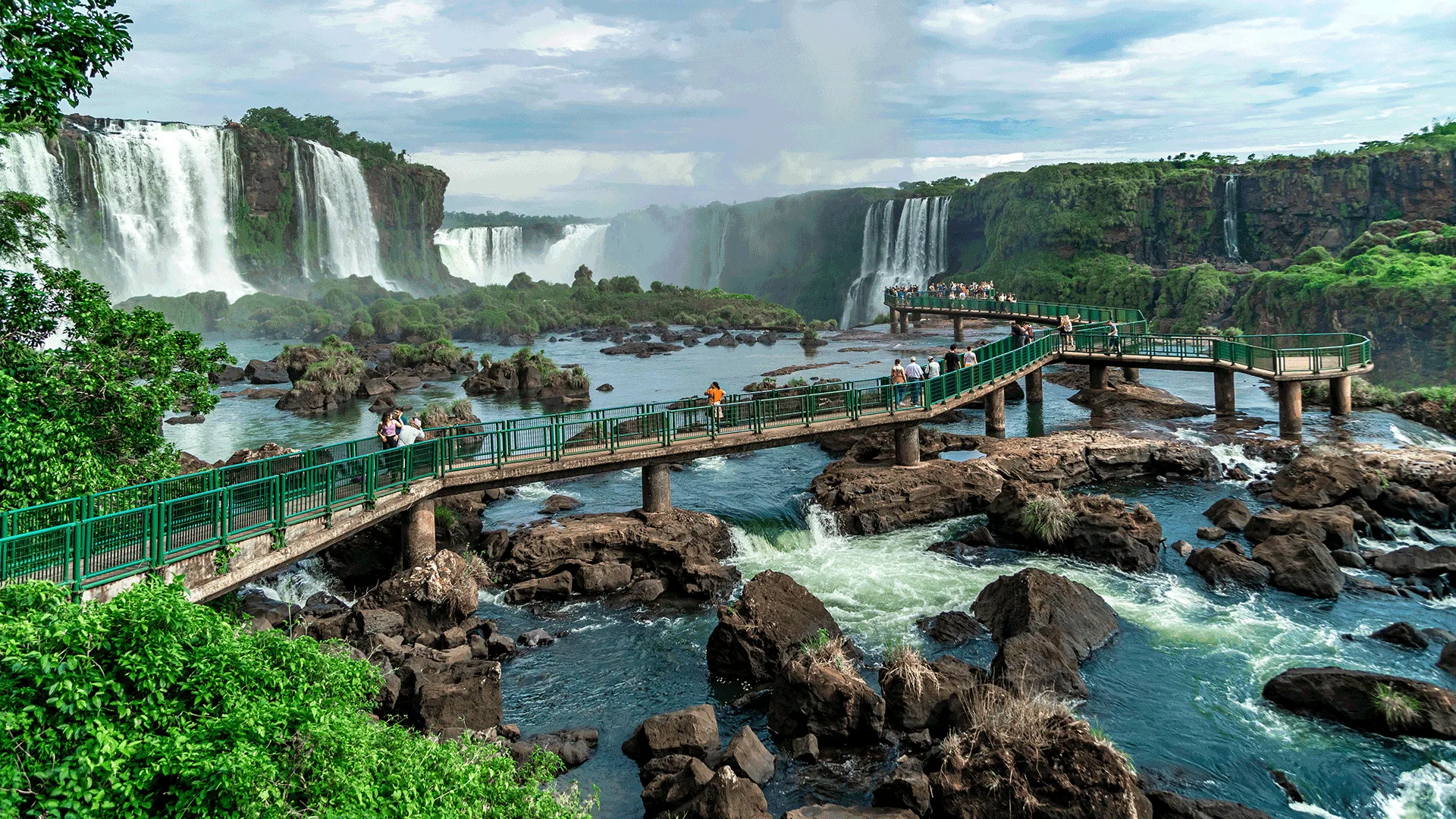
As no visit to Argentina would be complete without a visit to the spectacular Iguazu Falls, we will spend two days there, exploring both the Argentinian and Brazilian sides. Recently voted one of the seven natural wonders of the world, Iguazu boasts more than 275 falls and is so impressive that upon visiting it, Eleanor Roosevelt is said to have remarked, “Poor Niagara!”
Our accompanying scholar, Ariel Goldstein, a native of Uruguay, will provide enlightening lectures and insights throughout our travels.
Arrive in Montevideo and make your way to our hotel in time for a 4:00 PM opening orientation and presentation by our tour scholar.
Enjoy a welcome dinner.
Meals Included: Dinner. Accommodations: Hotel Costanero MGallery
We begin today with a visit to the main Jewish institution of Montevideo, La Kehila, where we meet with the Director of the Culture Department to learn about the history, activities, and role that La Kehila plays in the Jewish community of the city.
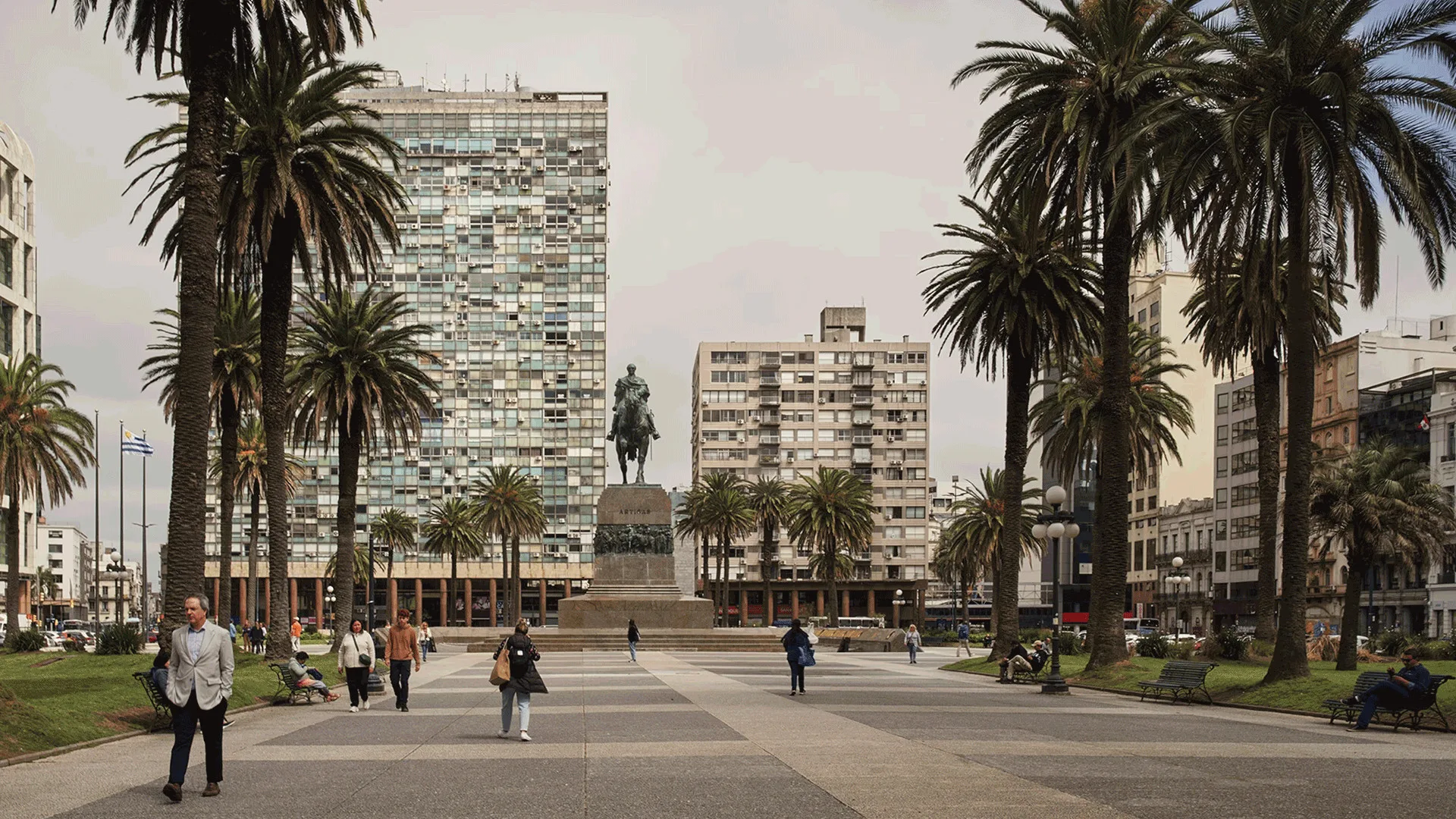
Afterward, we explore two of Montevideo’s most important sites: Plaza Independencia and Plaza Matriz. The iconic Plaza Independencia is dedicated to the independence of Uruguay, commemorating the struggle for freedom from Spanish colonial rule and the establishment of the country as a republic and marks the divide between the old and new parts of the city. The Plaza Matriz is the oldest square in Montevideo, located in the heart of Ciudad Vieja, the Old Town. The site of the Iglesia Matriz, the city’s main church and a key symbol of its colonial past, the square is surrounded by several buildings that showcase Montevideo’s colonial architecture.
For lunch, we experience a typical parrillada (barbecue-style meal) at the Mercado del Puerto, one of the most iconic landmarks of Montevideo, bustling with activity and local culture and a culinary destination famous for its steakhouses and grilled meats.
After, we visit the Sephardic synagogue, which opened its doors in 1956 with the name Beth Israel and was inspired by the Spanish/Portuguese Synagogue of New York. The Sephardic community has been present in Montevideo since the first decades of the 20th century.
We then spend time at Montevideo’s Holocaust Memorial, which overlooks the Rio de la Plata (River Plate in English). Made mostly of pink granite, the location and design create an invitation and opportunity to remember and reflect. The site also includes several inscribed steles, including one signed by Elie Wiesel.
This evening is free for you to enjoy dinner on your own.
Meals Included: Breakfast, Lunch. Accommodations: Hotel Costanero MGallery
After breakfast, we leave Montevideo by motorcoach to Colonia, a UNESCO World Heritage city. The oldest city of Uruguay, Colonia is characterized by its narrow stone streets and its Portuguese colonial architecture with tiled roofs. Discover the little stone streets, old edification, the fort, the port, and charming small stores and restaurants. We visit the downtown of Colonia and continue onto the Rambla, bordering the old city to the “Plaza de Toros” and the “Hipodromo.”
We have a group lunch in Colonia and then take a buquebus (ferry) to Buenos Aires.
Meals Included: Breakfast, Lunch. Accommodations: Buenos Aires Marriott Hotel
This morning features a presentation by our scholar on the “discovery” of the Americas, the conquistadors, and the Spanish kingdom in America, covering the period from 1492-1898.
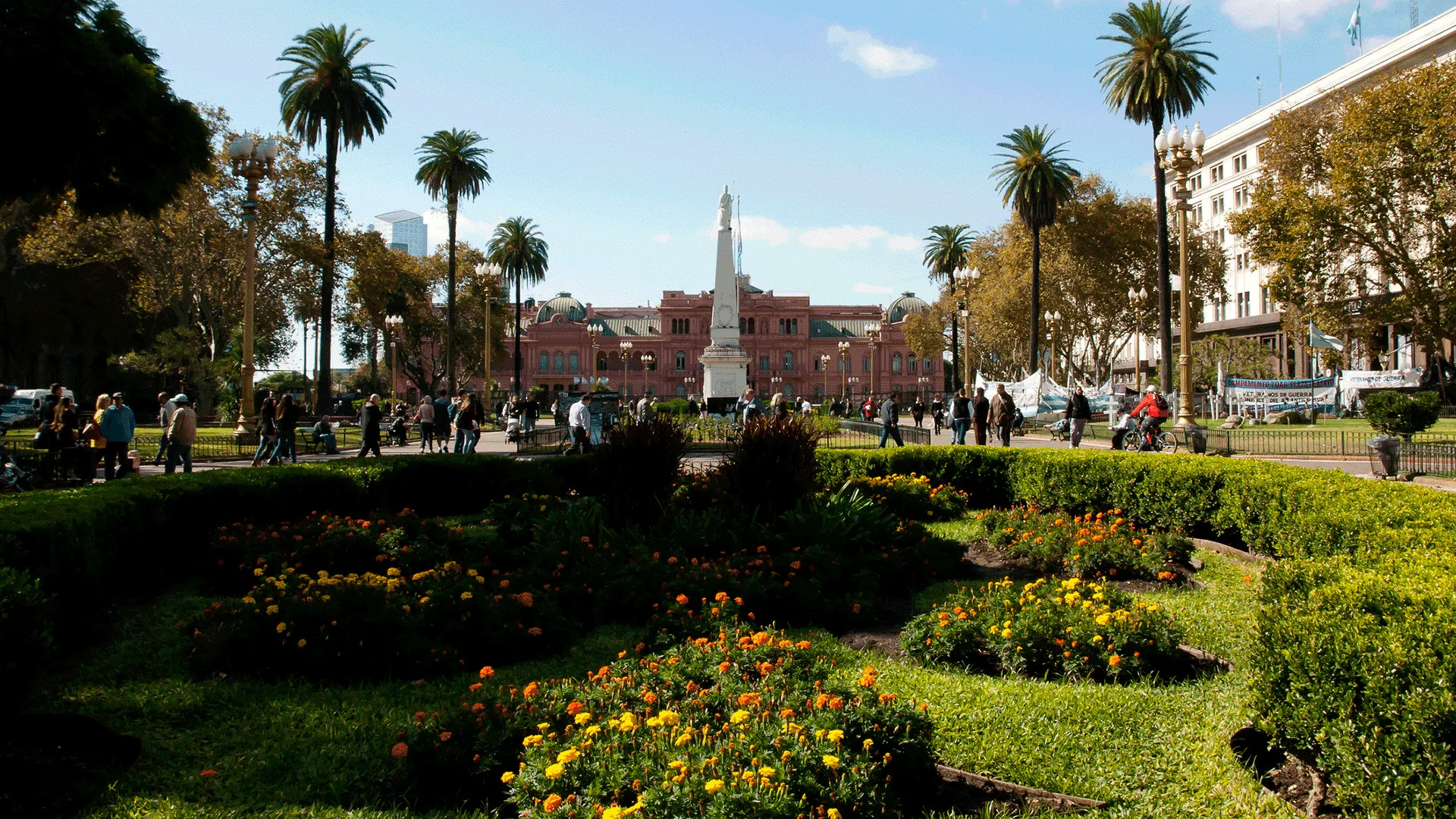
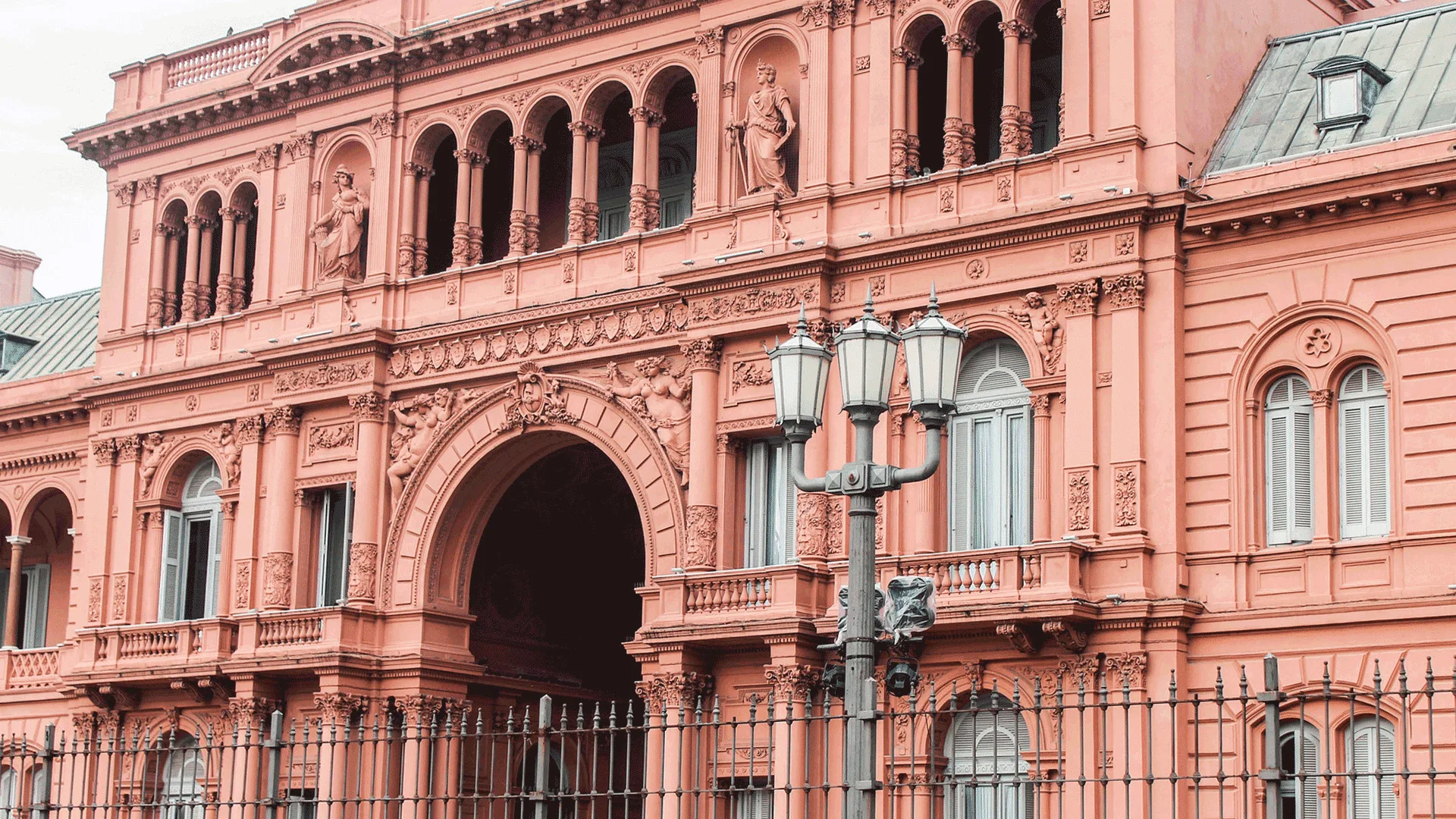
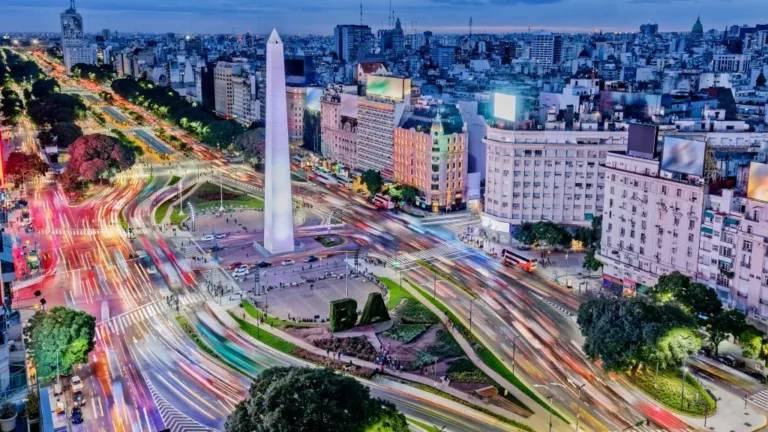
Afterwards, we start our tour of Buenos Aires, a cosmopolitan city that reveals its immigrant heritage at every step. We start at Plaza de Mayo, the original site of the Plaza de Armas and the location of the city’s second and definite foundation of 1581. This is the historical and political heart of Buenos Aires, surrounded by emblematic buildings: the Piramide de Mayo, the Casa Rosada (presidential palace), the colonial Cabildo and the Metropolitan Cathedral. We head out into the city to visit the icon of Buenos Aires, the obelisk on Avenida 9 de Julio (July 9 Avenue) erected in 1936 to commemorate the 400th anniversary of the first foundation of the city.
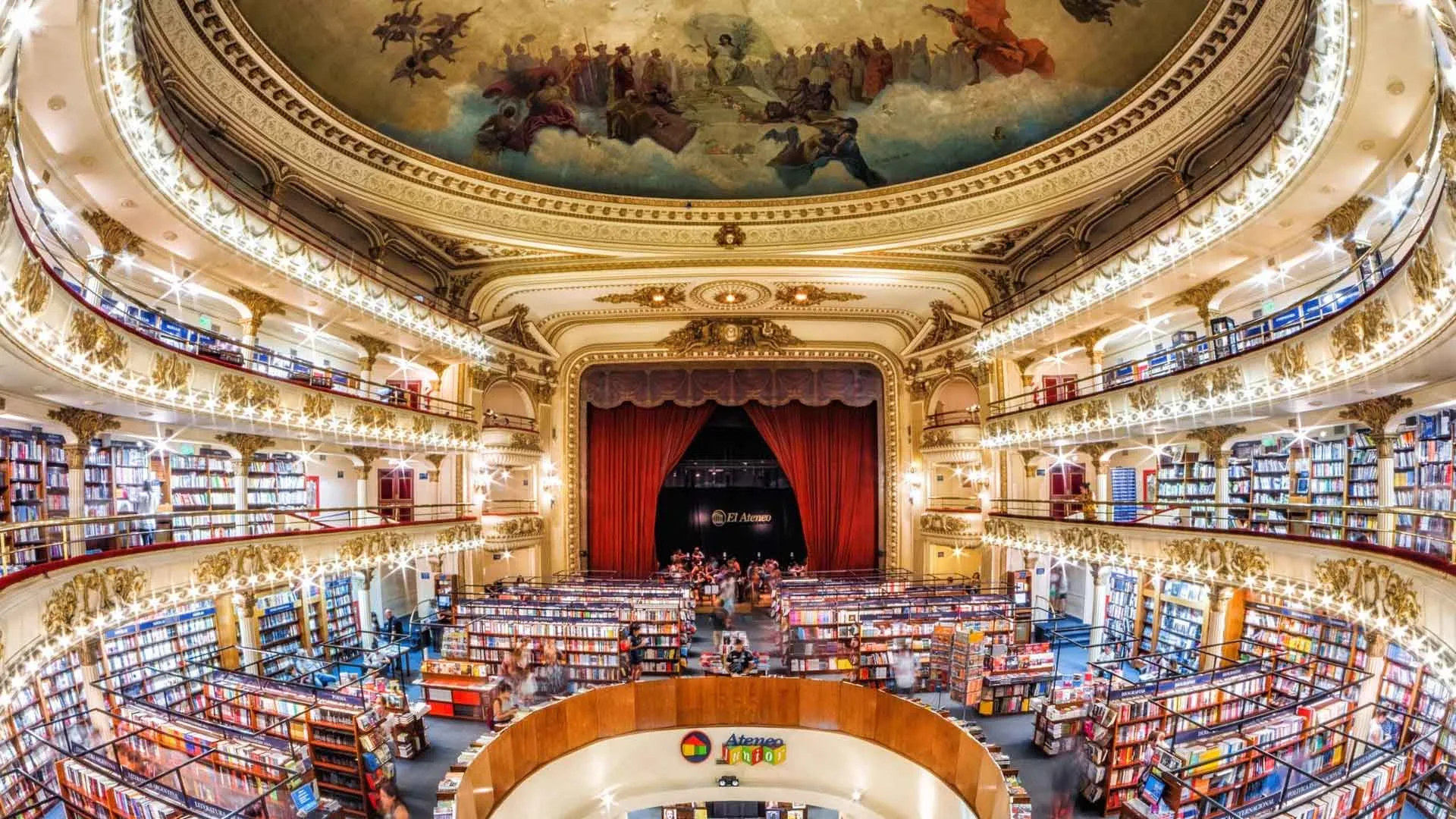
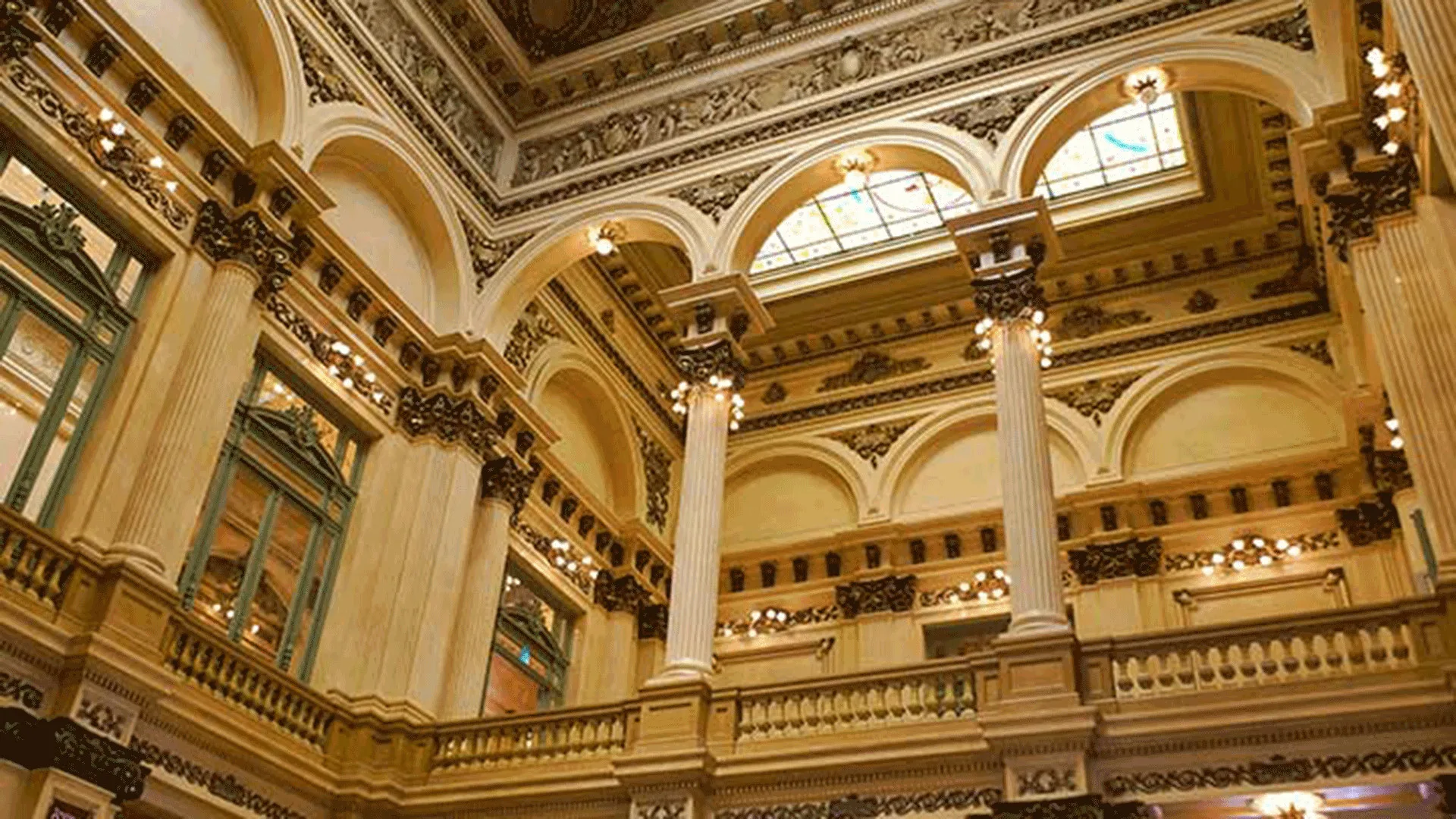
After lunch on your own, we start the afternoon off with a visit to El Ateneo, often described as the most beautiful bookstore in the world. Housed in an historic building that was originally a theatre. It was transformed into a bookstore in 2000. The theater’s original elements including the stage, balconies and ornate decorations are still intact.
This evening, we celebrate Kabbalat Shabbat at Amijai synagogue, followed by dinner with local community members.
Meals Included: Breakfast, Dinner. Accommodations: Buenos Aires Marriott Hotel
Today is a leisurely day to spend as you would like, continuing to explore Buenos Aires, doing some shopping, or perhaps taking advantage of the hotel spa. You may choose to visit the Fortabat Art Museum, which houses works by Marc Chagall, Salvador Dalí, and others or the Museum of Latin American Art of Buenos Aires, with works by renowned artists like Frida Kahlo and Diego Rivera.
Tango is one of Argentina’s most important contributions to the arts, and tonight we head out on the town for dinner and an authentic tango show at El Querandi, one of the most renowned tango venues. The decor, with its elegant chandeliers, wood paneling, and vintage touches, creates an intimate and classic atmosphere and the menu offers a wide range of Argentine specialties.
Meals Included: Breakfast, Dinner. Accommodations: Buenos Aires Marriott Hotel
This morning is highlighted by a lecture from our scholar on Argentina’s modern history, from 1976 to 2025, including the Dirty War (a period of state terrorism that occurred between 1976 and 1983), the Falklands War, and the return to democracy. Today, Argentina’s commitment to human rights and democratic principles remains central to its identity.
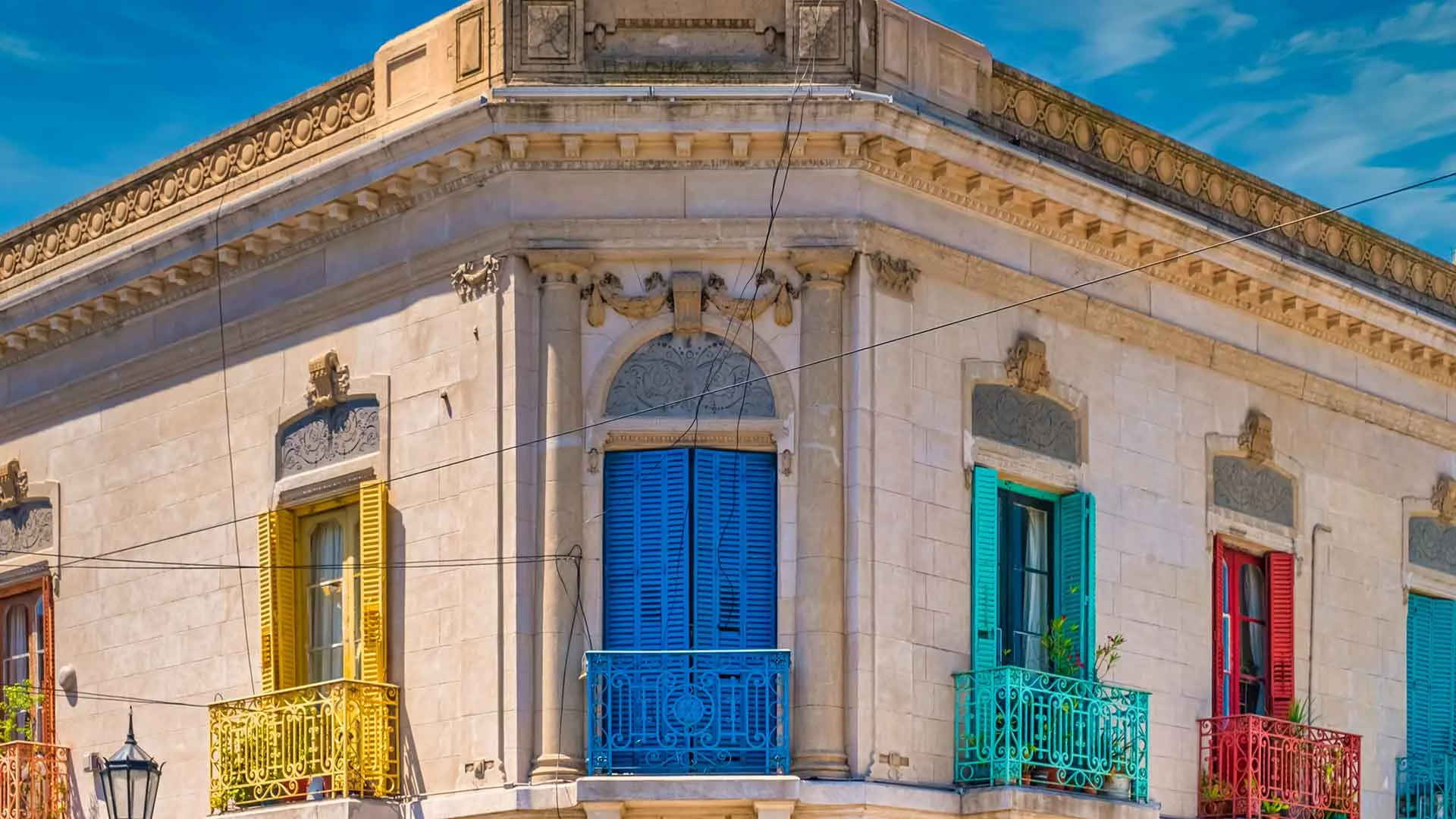
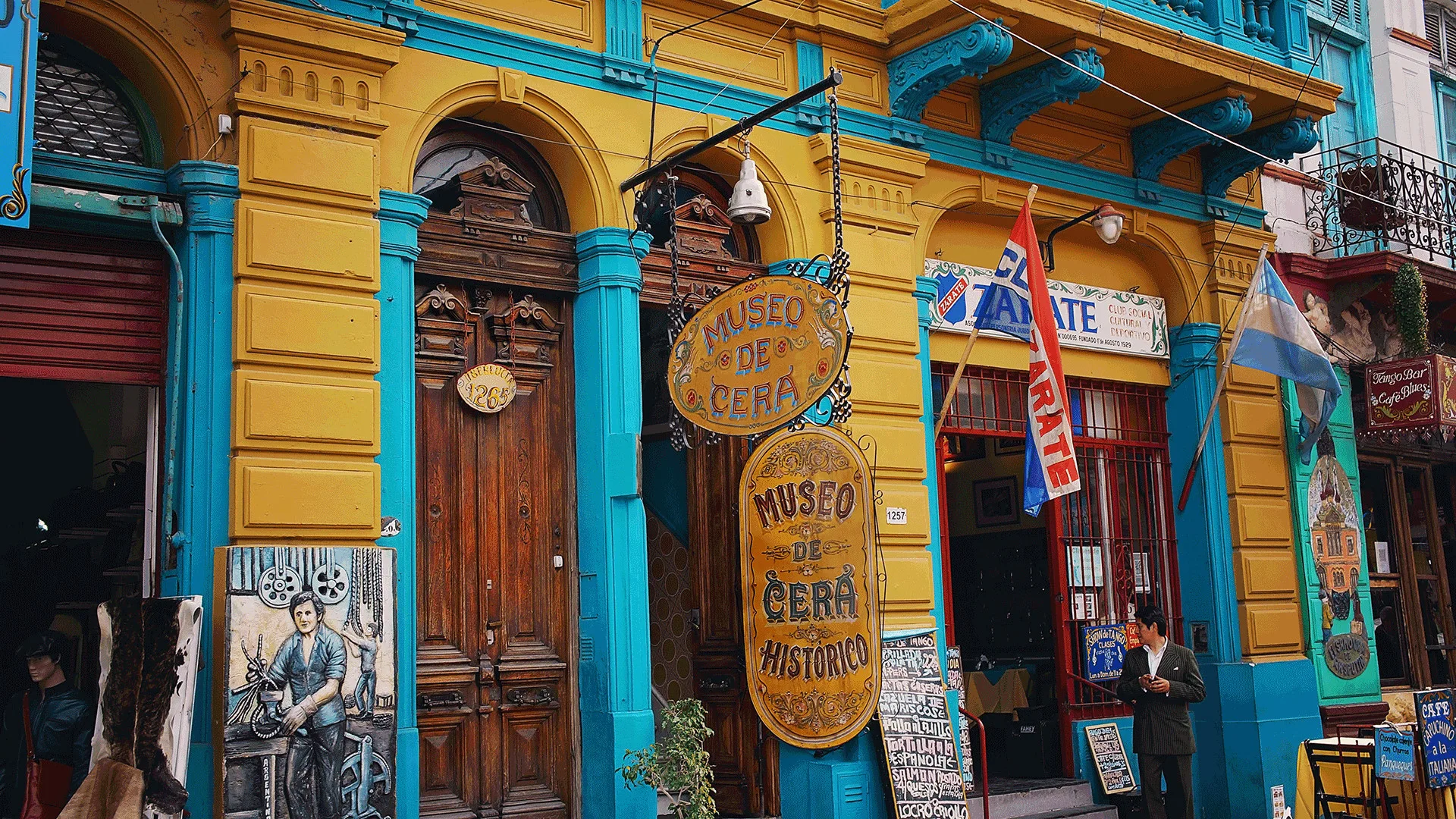
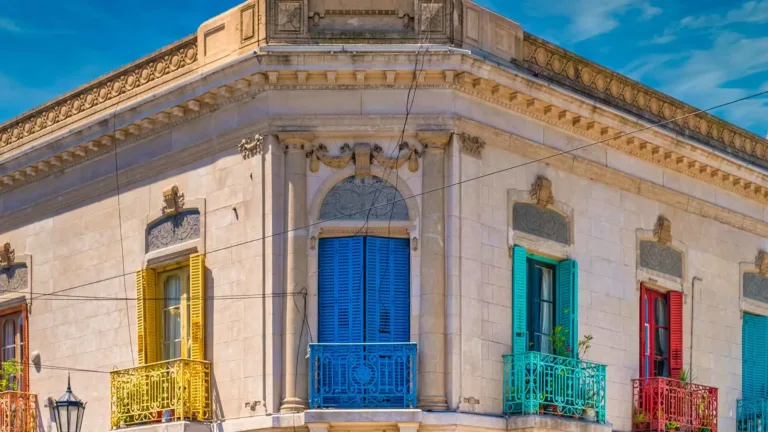
Next we discover the colorful port neighborhood of La Boca, a historical center for Jewish immigration in the 19th century, primarily Ashkenazi Jews, coming from areas of Eastern Europe, particularly from what is now Poland, Ukraine, and Russia. In La Boca, Jews formed tight-knit communities and created synagogues, schools, and social organizations. Today, La Boca is famous for its vibrant street art and tango culture, with a pedestrian street where you find brightly painted buildings, tango dancers, and local shops. While the Jewish presence in La Boca is much smaller, there are still some synagogues and Jewish cultural sites that remain active.
We proceed to St. Telmo Fair, a famous flea market on Sundays.
After, we walk through the visually striking Recoleta Cemetery. Although a Catholic cemetery, there Jewish families buried here. The name Recoleta is derived from the Order of Monjes Recoletos Descalzos (Barefoot Monks from Recoleta) who in the early seventeenth century built a convent, a church and a small graveyard. The cemetery is laid out like a small city with ornate sculptures, mausoleums, and memorials, and is the final resting place of many notable Argentinians, including Eva Peron whose grave we will visit. We walk to see Evita’s Monument nearby which stands as a tribute to her legacy.
Meals Included: Breakfast. Accommodations: Buenos Aires Marriott Hotel
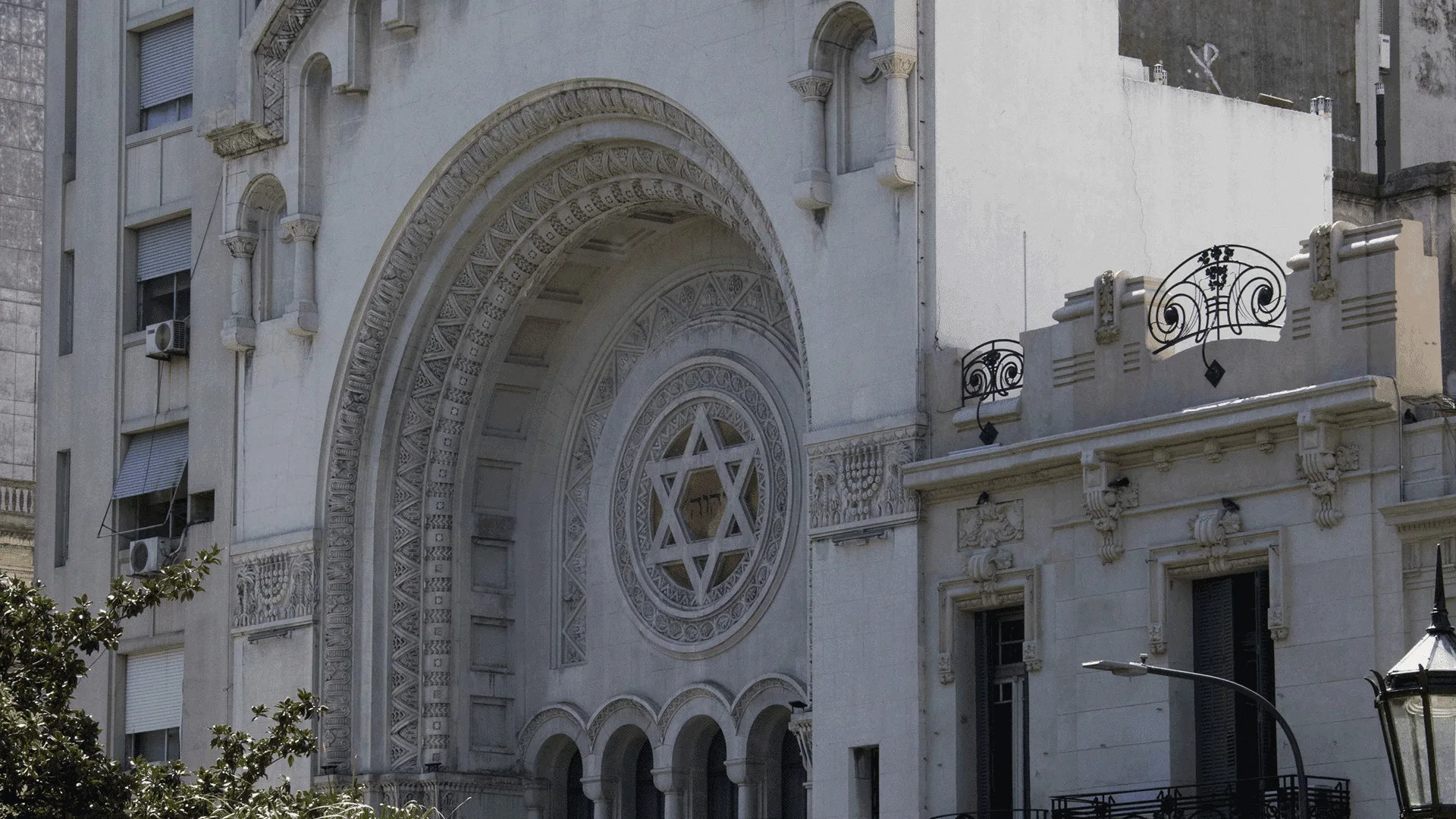
Today, we embark on a day-long guided tour of Jewish Buenos Aires. We visit several synagogues, including the elegant Gran Templo Paso in the historically Jewish neighborhood of Once and the majestic Byzantine-style Templo Libertad, both founded in the early 1930’s, making them the oldest synagogues in Argentina. Templo Libertad has been declared a national landmark and is the largest temple in Buenos Aires. At lunchtime, we break for a quick bite on your own at one of the restaurants nearby.
Our tour also takes us to the new home of AMIA (Israelite Mutual Association of Argentina), one of the longest-standing institutions in the country and dedicated to encouraging Jewish culture in Argentina, preserving its traditions, and promoting community development. The original AMIA building was destroyed in 1994 in a terrorist attack in which 85 people died. We also stop at Israel Embassy Square, which suffered a brutal terrorist attack in 1992. The square was built in the place where the embassy once stood.
Meals Included: Breakfast. Accommodations: Buenos Aires Marriott Hotel
We depart Buenos Aires, taking an early flight to Iguazú Falls. After we arrive and check in, we’ll have lunch before discovering the Argentine side of the falls.
The waterfalls are located in the Iguazú National Park and are one of the first protected areas in the Americas. The park and falls were declared a World Heritage Site by UNESCO in 1984. The waterfalls have 275 jumps of water that fall from an average height of 70 meters (about 230 feet).
On our visit, we take a train to the Devil’s Throat Station, followed by an easy 1,200-meter walk (about 3/4 mile) to the most spectacular views of the falls, called the Devil’s Throat. We also walk along the Upper Circuit of the falls, a 1.5 mile loop on an elevated footbridge. From this circuit, it is possible to see the upper parts of the waterfalls. (Please note: These walks have no stairs.)
Inspired by the enormous beauty, we return to our hotel, where we have dinner.
Meals Included: Breakfast, Lunch, Dinner. Accommodations: Iguazú Grand Resort Spa and Casino
This morning, we cross the Tancredo Neves Bridge to Brazil and visit the Brazilian side of Iguazú Falls, part of one of the largest nature reserves of Brazil.
Here, we walk along a half-mile elevated walkway over the gully of the River Iguazú and experience absolutely stunning views. We’ll have an amazing view of the Isla San Martin and some of the most important jumps of the Iguazú falls such as the Bossetti, the San Martina, and the Tres Mosqueteros. We also come to a magnificent viewpoint of the Devil’s Throat that we visited the day before. The beauty of this place is unparalleled, with the constant presence of rainbows highlighting its magic.
We’ll lunch together before ending our tour at the Floriano Jump, where you have the opportunity to take a panoramic elevator. (Please note: There are some stairs during this walk. Participants who cannot walk the stairs can take the coach to the viewpoint and take the elevator down for an up-close view of Devil’s Throat.)
After an exhilarating day, we return to the hotel and you are free to enjoy dinner on your own at the hotel, either in the restaurant or in your room.
Meals Included: Breakfast, Lunch. Accommodations: Iguazú Grand Resort Spa and Casino
Today, we fly back from Iguazu to Buenos Aires.
After lunch on your own, we visit the Museum of the Holocaust. The museum’s exhibitions include artifacts, documents, and photographs related to the Holocaust, as well as personal testimonies from survivors. One of the museum’s key focuses is the experience of Argentine Holocaust survivors.
This evening, we visit the popular waterfront district of Puerto Madero, with its impressive Puente de la Mujer, a uniquely designed pedestrian bridge, and renowned restaurant scene. After a stop to see the Anne Frank statue, we have a farewell dinner together at a well known restaurant in Puerto Madero.
Meals Included: Breakfast, Dinner. Accommodations: Buenos Aires Marriott Hotel
We depart Buenos Aires on independent flights today.
Meals Included: Breakfast.
Please Note: Daily schedule may be modified subject to weather or unanticipated changes.

Argentina and Uruguay are two South American countries where Jewish communities have a rich history, contributing significantly to the cultural and…

Argentina and Uruguay are two South American countries where Jewish communities have a rich history, contributing significantly to the cultural and…

Join JDC Entwine and NuRoots on a journey to Argentina! This Latin American country boasts vivacious cities and natural beauty. Dance tango, meander…
New trips and events from Jewish organizations, in your inbox.